


We all buy things from Amazon without thinking about it—but it might be time to actually delve into our spending habits. Amazon makes buying things feel as effortless as blinking, which is impressive until you realize you’ve blinked your way into a massive credit card statement. Convenience isn’t inherently evil, but it can come with trade-offs that don’t always show up on the bill, and that’s why we’ve broken down a few reasons you should probably start looking elsewhere.
You’re Often Paying for Speed, Not Quality
Fast delivery can distract you from what you actually receive. Plenty of listings rely on vague branding, recycled photos, and questionable materials, which means you’re gambling on quality even when the reviews look comforting.
Counterfeits and “Look-Alikes” Aren’t Just a Myth
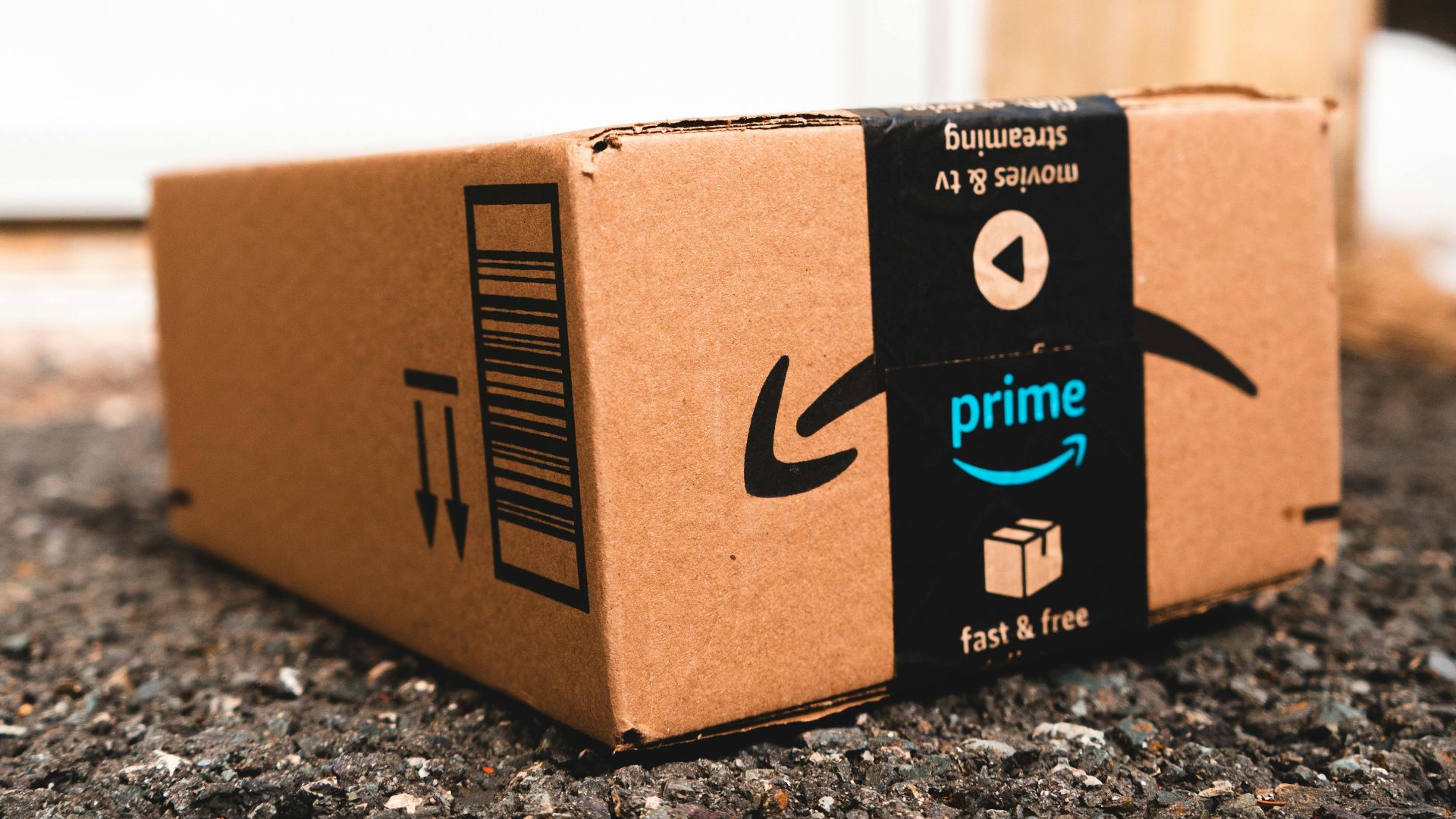
For certain categories, especially among beauty products, the risk of knockoffs is a real headache. Even when you think you’re buying something legitimate, mixed inventory and third-party sellers can complicate what lands on your doorstep. It’s better to head straight to the source!
Small Businesses Don’t Get a Fair Fight
Small businesses have a hard enough time without Amazon monopolizing the market. When one platform becomes the default for everything, independent shops and local stores lose visibility, foot traffic, and margins. Shopping elsewhere doesn’t have to be dramatic; it can be as simple as ordering from a maker’s website or a neighborhood store with an online cart.
Impulse Buying Becomes Your New Hobby
The combination of one-click purchasing and endless recommendations is basically a slot machine with free shipping. If you’ve ever gone in for batteries and left with a waffle maker, you’ve experienced Amazon’s marketing working perfectly. Worst of all, you don’t even notice it right away!
The Real Cost Includes Stuff You Don’t See
Behind the scenes are packaging waste, frequent delivery routes, and a system built around speed at scale. Even if you don’t follow every supply-chain detail, you can still choose fewer shipments, consolidated orders, or retailers that prioritize durability and repairability. It’s not about perfection; it’s about making convenience pay rent instead of running the place.